Modern HR Management with HRM Software: When People Become Your Competitive Edge
As the labor market grows increasingly volatile, HRM software has evolved from a simple support tool into a strategic foundation that helps Vietnamese businesses manage their workforce more effectively and sustainably.

Over the past decade, the challenge of human resource management at Vietnamese enterprises has transformed profoundly. No longer limited to timekeeping and payroll processing, HR departments today must simultaneously handle dozens of data streams — from individual performance and training plans to talent retention strategies. This complexity creates an undeniable imperative: businesses need an HR management system intelligent enough to turn data into decisions, and to turn people into a genuine competitive advantage.
Process Automation — Freeing Capacity for Strategic Work
One of the most significant bottlenecks in traditional HR departments is their dependence on repetitive manual tasks: entering attendance data, processing contracts, and tracking leave through scattered spreadsheets. The consequences go beyond wasted time — they create serious risks of payroll errors that directly erode employee trust. Modern HRM software addresses this by automating the entire HR data lifecycle, from attendance tracking integrated with biometric devices and accurate calculation of social insurance and personal income tax in compliance with Vietnamese law, to the issuance of digital payslips. When these tasks are systematized, the HR team can dedicate their full capacity to work that creates real value: building organizational culture, long-term workforce planning, and people development.
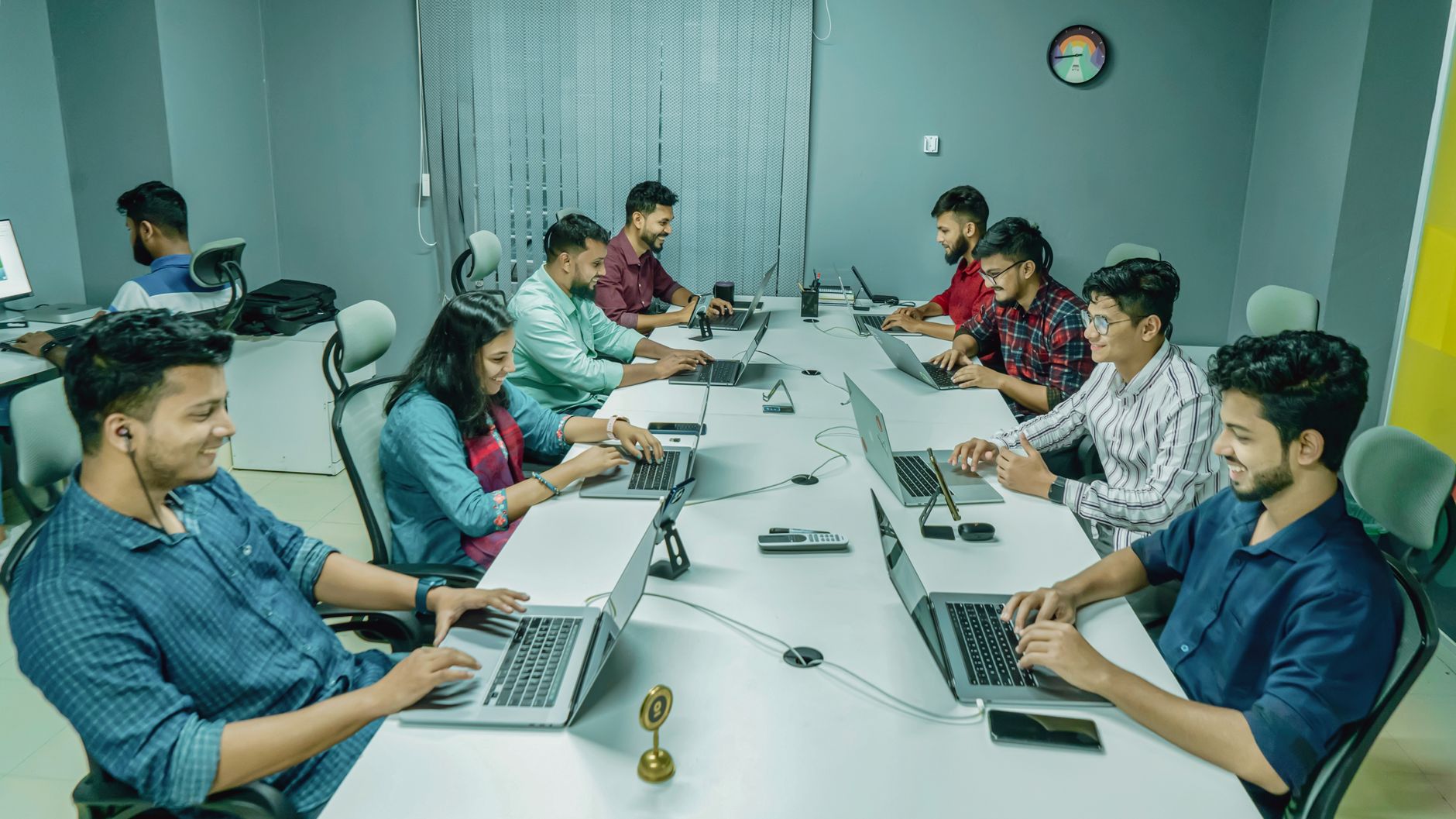
Centralized Data — The Foundation for Accurate Decision-Making
The majority of HR decisions at small and medium-sized Vietnamese enterprises are still made based on intuition or fragmented information. Questions such as "Which department is underperforming against expectations?" or "Which employees are at high risk of resignation?" often have no clear answers because data is scattered across multiple sources. A well-integrated HRM platform — such as the solution PowerSofts has built around a philosophy of unified data within a single ecosystem — allows leadership to view the organization's resources in real time. Dynamic HR reports, workforce fluctuation charts, and employee engagement indices become genuine management instruments rather than numbers sitting dormant in end-of-month report files.
Employee Experience — The Critical Factor in the War for Talent Retention
The new generation of workers — particularly Gen Z and Millennials, who are claiming an increasingly significant share of Vietnam's labor force — expects a transparent, flexible, and empowering work environment. Modern HRM software meets these expectations through self-service portals that enable employees to independently access their personal information, submit leave requests, track their career development pathways, and receive continuous performance feedback. When employees perceive transparency and respect from the management system, their level of organizational commitment increases substantially — and this is precisely the determining factor in long-term talent retention rates.
Effective HR management does not come from exercising more control, but from achieving deeper understanding — understanding people, understanding data, and understanding trends. HRM software does not replace the role of the HR leader, but it provides them with sufficiently powerful tools to make decisions that are more informed, faster, and better substantiated. In a market where talent is increasingly scarce and expectations are continuously rising, investing in an intelligent HR management system is fundamentally an investment in the core competitive capability of the enterprise.