Wrong Quotes, Blind Inventory, Shifting Rates: Why Import-Export Businesses Need AI Right Now
In import-export trade, a small mistake in pricing, inventory, or exchange rates can wipe out an entire shipment's margin. AI is no longer optional — it's a survival requirement.
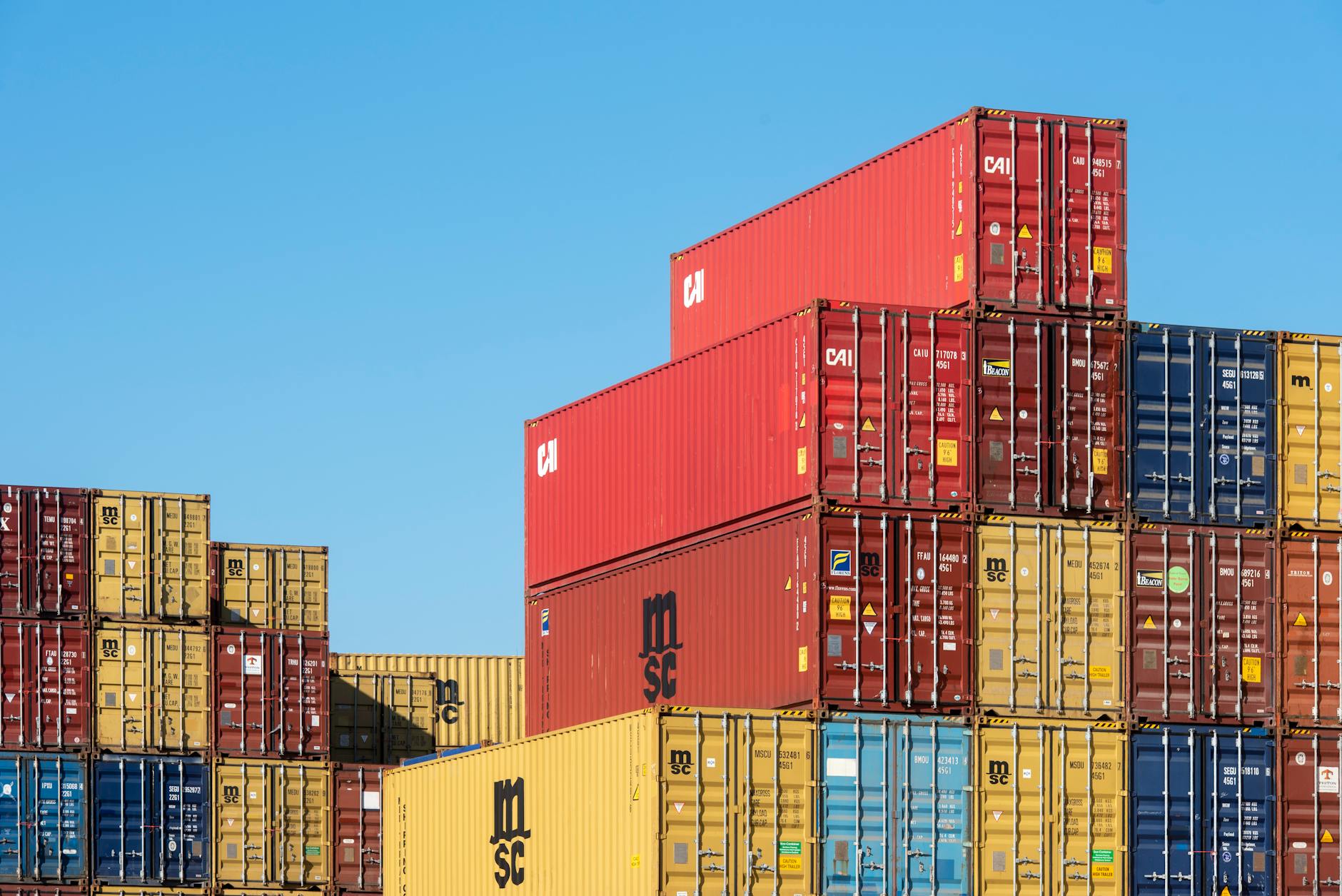
An import-export company in Ho Chi Minh City had just signed a supply contract with a European partner based on pricing confirmed the previous week. By the delivery date, the EUR/VND rate had slipped nearly 2%, freight costs had risen due to fuel surcharges, and the actual warehouse stock was 15% short of what the system showed. Result: that shipment ended with zero profit. This is not an anomaly — it happens every week across hundreds of trading businesses nationwide.
Current Challenges
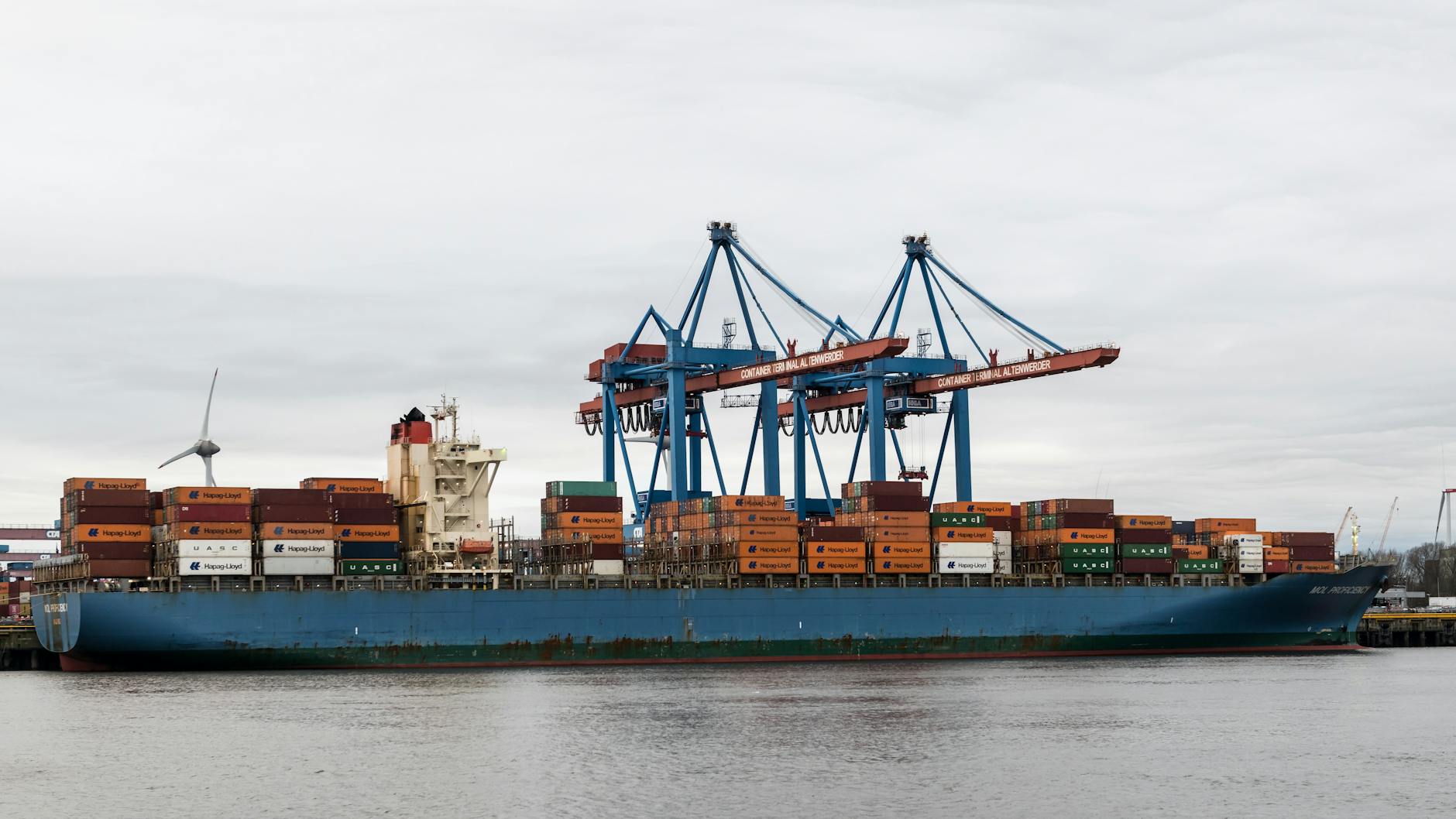
Import-export businesses operate in an environment where every variable shifts constantly: foreign exchange rates fluctuate by the hour, input material costs follow international markets, shipping schedules change without notice, and tariff policies are adjusted with little warning. Meanwhile, the sales team is still quoting from manually updated Excel files, the warehouse team reconciles stock figures at end of day rather than in real time, and management waits until the weekend for a consolidated report. A single wrong decision in this environment can cost tens to hundreds of millions of Vietnamese dong in a single shipment.
Root Causes
The problem is not human capability — experienced import-export professionals still lose ground to their own data. The core issue is fragmented operational data: the sales team has one set of numbers, the warehouse has another, and the accounting department holds a third, with no system connecting them in real time. When the exchange rate shifts at 10 a.m., the person quoting at 2 p.m. is still working from yesterday's figure. When physical stock diverges from system records, no one knows until goods have already been committed to a buyer. Humans cannot process information at that speed and volume — but AI can.
The Solution
Applying AI to import-export business management does not mean replacing people — it means giving people accurate data at exactly the moment a decision needs to be made. In practice, AI can automatically push live exchange rates into quotation templates, trigger alerts when physical inventory deviates beyond an acceptable threshold, forecast replenishment needs based on order history and seasonal patterns, and analyze profit margins by individual shipment, market, or supplier. AI-integrated ERP platforms like PowerSofts allow businesses to connect the entire data flow — procurement, warehousing, sales, and finance — within a single system, so every decision rests on real data rather than gut feeling.
Results Achieved
Import-export businesses that apply AI to their operations consistently report measurable improvements: inventory discrepancies drop below 2%, quotation time shrinks from hours to minutes, losses from exchange rate volatility decrease significantly thanks to early warnings, and leadership can monitor profit margins in real time instead of waiting for end-of-month reports. More importantly, while competitors are still struggling with fragmented data, your business can respond to market changes one step ahead.
The import-export market does not wait for those who move slowly. If your business is still making decisions based on yesterday's data, that is a real and present risk — not a future concern. Contact PowerSofts to learn how an AI-integrated ERP system can be deployed to fit the specific operational demands of your trading business.