5 Signs That AI Is Already Deciding Who Survives in Vietnam's Logistics Industry
In logistics, every delayed minute is money lost. This article reveals 5 clear signs that AI is no longer optional — it is a survival condition for Vietnamese transport and warehouse businesses.
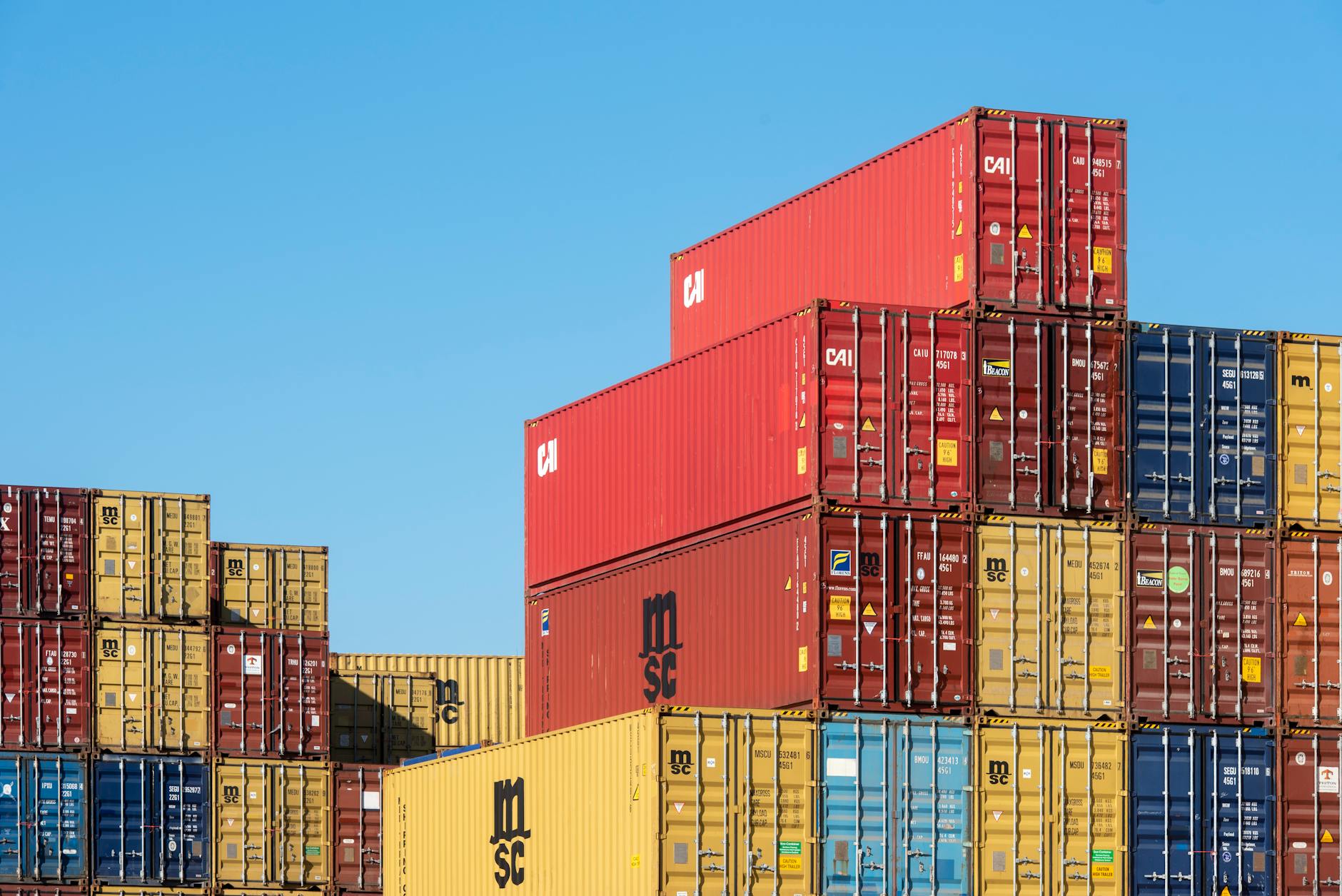
Vietnam's logistics sector is booming — but not everyone is benefiting equally. While some transport companies keep expanding their fleets and signing new warehouse contracts, others are still struggling with manual dispatching, delayed reporting, and uncontrolled operating costs. The gap between these two groups is not about capital or experience — it is about AI. Here are 5 signs you need to recognize right now.
1. Your dispatcher is still routing trucks based on personal intuition
When a key dispatcher goes on leave and the entire vehicle coordination system slows down, that is a serious warning sign. AI can simultaneously analyze hundreds of variables — vehicle availability, driver status, routes, delivery windows, fuel costs — and deliver the optimal solution in seconds. Logistics companies that apply AI to route planning report fuel cost reductions of 15 to 25 percent, a figure no dispatcher can achieve manually, no matter how experienced.
2. Your warehouse is still blind to real-time inventory
Goods arrive but the system has not updated. Items are picked from the wrong location. Month-end stocktaking takes an entire week. This is the daily reality at hundreds of traditional warehouses across Vietnam. AI combined with sensors and warehouse management systems can update inventory in real time, forecast inbound and outbound demand, and automatically trigger low-stock alerts. PowerSofts integrates this data flow directly into its ERP module — so warehouse teams and accountants are never chasing numbers again.

3. You only find out you lost money after the contract closes
A long-haul trip looks profitable on paper — until you factor in toll fees, fuel surcharge spikes, cargo waiting time, and vehicle depreciation. Suddenly it breaks even, or worse. The problem is you only discover this after the contract ends. AI enables real-time profitability calculation per trip, alerting you the moment a route risks exceeding cost thresholds — so you can adjust before it is too late.
4. When customers ask where their shipment is, you have to call the driver
In an era where shoppers track their e-commerce orders by the minute, a logistics company that cannot offer real-time tracking is at a serious disadvantage during contract negotiations. AI integrated with GPS and operations platforms automatically updates shipment status, proactively notifies customers, and provides more accurate estimated delivery times — no call center required.
5. Your team is still using Excel to manage vehicles and drivers
Maintenance schedules kept in memory. Driver contracts expiring without notice. Traffic fines going unrecorded. When your fleet grows to several dozen vehicles, Excel is no longer a tool — it is a liability. AI in fleet management automates maintenance scheduling, monitors driver behavior, alerts on expiring documents, and consolidates operating costs per vehicle. PowerSofts centralizes all of this into a single platform, giving leadership the real-time data they need to make faster, smarter decisions.
Logistics is an industry where a few percentage points of cost efficiency can determine whether you win or lose a bid. AI is not some distant future technology — it is being used by your competitors right now, on every trip, in every warehouse bay, across every freight contract. The question is no longer whether you should adopt AI. The question is: how much longer can you afford to wait?